Rapid industrialization and urbanization have created two compounding challenges: overflowing urban landfills and an escalating demand for commercial energy. For decades, organic waste management was viewed solely as an environmental compliance burden. Today,...
The transition from fossil reliance to clean fuels is no longer just an environmental aspiration; it is an industrial necessity. As India accelerates toward its net-zero targets and seeks relief from volatile global crude markets, decentralized bio-energy has emerged...
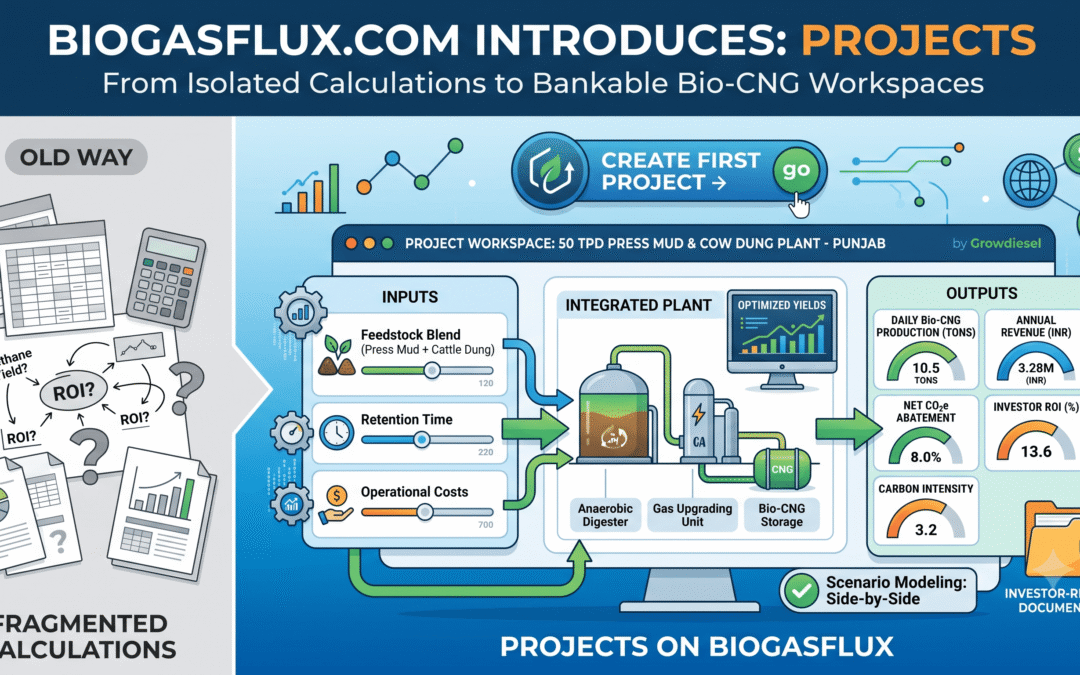
For years, the bio-energy industry has relied on isolated calculation runs, static spreadsheets, and fragmented models to evaluate plant feasibility. While calculating methane yield or daily Bio-CNG output in a standalone session provides a quick reality check,...
Most waste-to-energy projects do not fail because the anaerobic digestion biology stops working. They fail because the unit economics, feedstock logistics, and engineering assumptions break down before ground is even broken. Transforming agricultural residue, press...
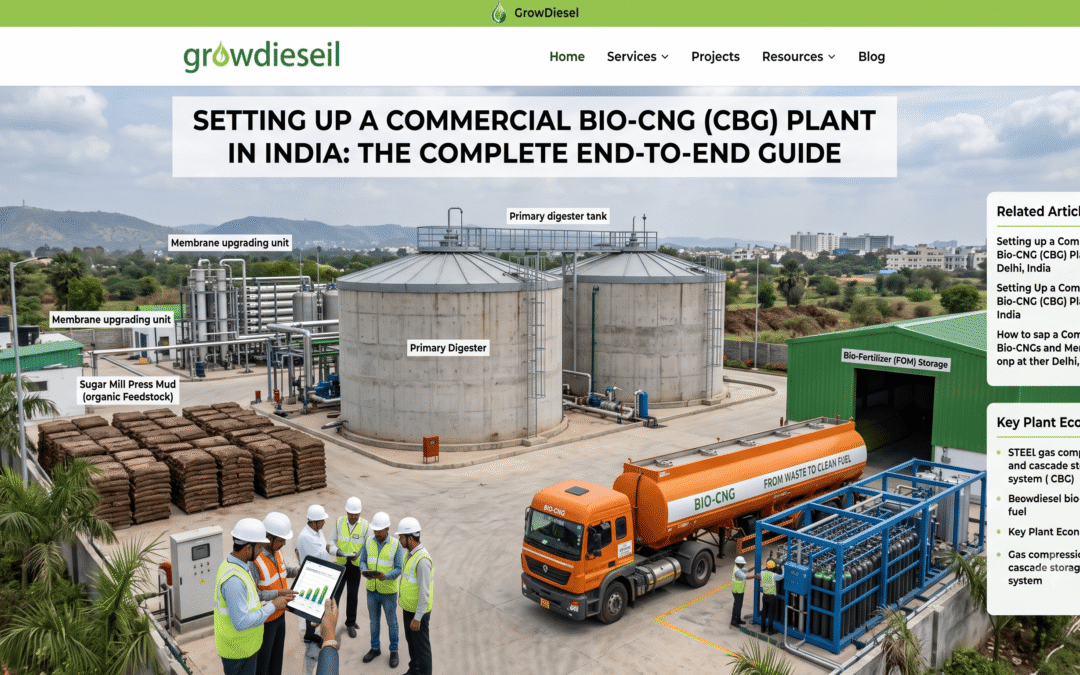
India’s transition to clean energy has turned industrial, municipal, and agricultural waste into one of the most profitable business opportunities of the decade. Compressed Biogas (CBG) — chemically identical to commercial CNG — is driving this shift. Whether...
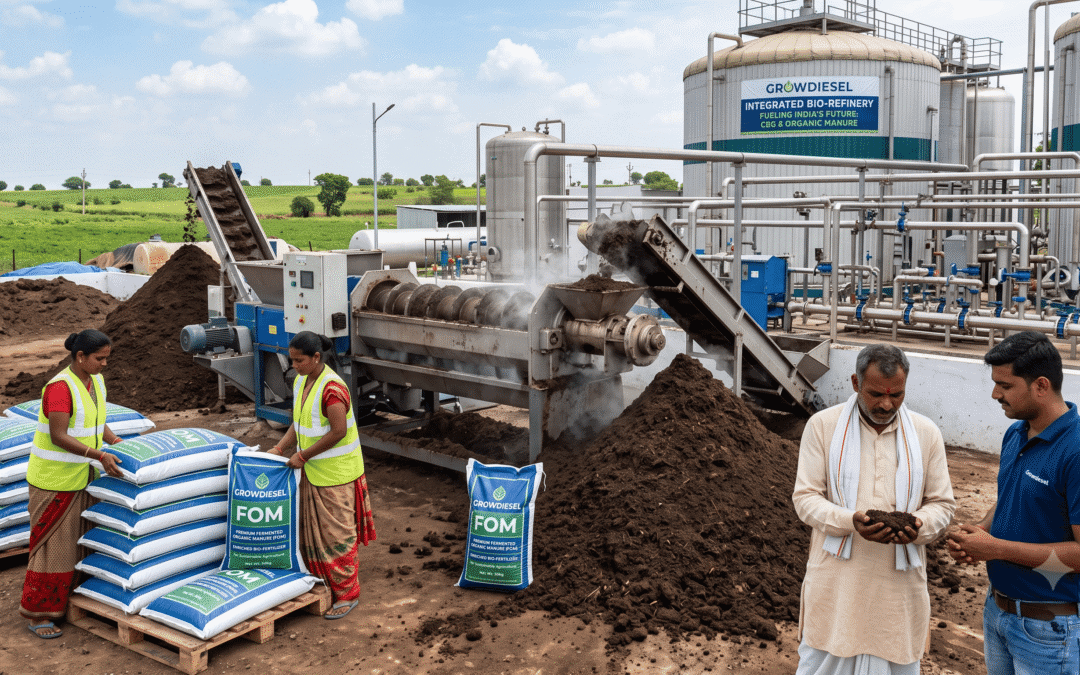
For most commercial Compressed Bio-Gas (CBG) plant operators, the primary commercial focus has traditionally been the gas: meeting offtake quotas, optimizing methane purity, and managing pipeline or cascade logistics. However, viewing a bio-refinery solely as a fuel...